
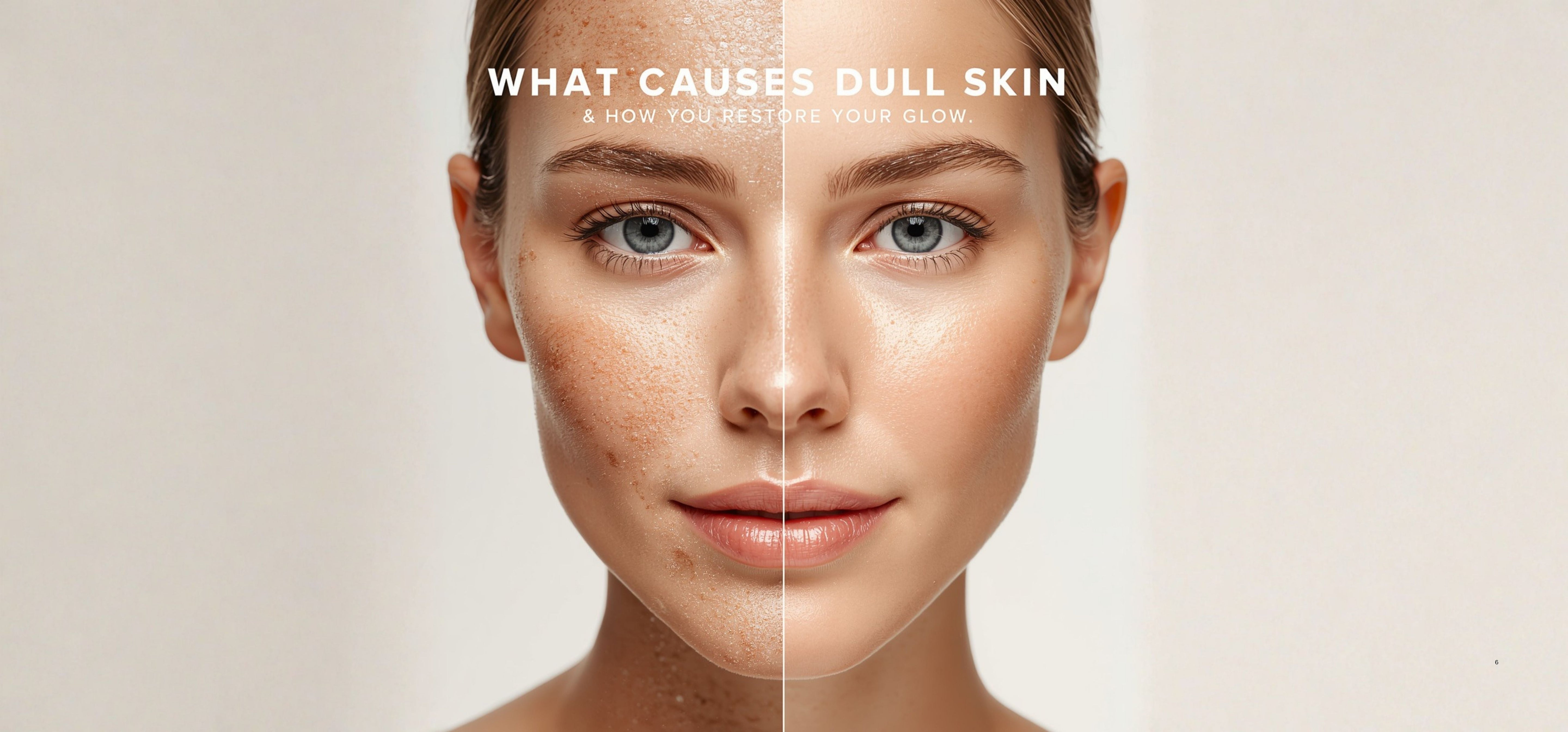
Have you ever looked in the mirror and thought your skin looks tired or dull? You are not alone. Dull skin is a problem that affects people of all ages and skin types.
The good news is that dull skin is often a sign that your skin needs an extra care. In cases simple changes to your skincare routine and daily habits can help bring back a healthy and natural glow.
Lets find out what causes skin and what you can do to make your skin look brighter and more refreshed.
What Does Dull Skin Look Like?
Dull skin does not mean skin. It simply means skin that looks:
- Tired
- Rough
- Uneven
- Radiant
- Dry
- Lacking natural brightness
When your skin loses its glow it can make you look older or more tired than you actually are.
Common Causes of Dull Skin
Dead Skin Cell Buildup
Your skin sheds skin cells naturally. However these cells do not always fall away efficiently.
When dead skin cells build up on the surface they can make your skin appear:
- Rough
- Dry
- Dull
- Uneven
This is one of the common reasons for dull-looking skin.
Dehydration
Dehydrated skin often looks flat and tired.
When your skin lacks water it may lose some of its plumpness and radiance.
Signs of dehydrated skin include:
- Tightness
- Fine lines
- Increased sensitivity
- A dull appearance
Even people with skin can experience dehydration.
Lack of Sleep
During sleep, your body restores and rejuvenates itself.
Not getting sleep may contribute to:
- Dull skin
- Dark circles
- Puffiness
- Uneven complexion
This is why a nights sleep is often called one of the best beauty treatments.
Sun Exposure
While some sunlight is normal much sun exposure can affect your skins appearance over time.
Long-term sun exposure may contribute to:
- Uneven skin tone
- Dark spots
- Texture
- Premature aging
Applying sun protection every day is among the most effective methods to keep skin looking healthy.
Stress
Chronic stress affects more than your mood.
It can influence processes in your body and may contribute to:
- Breakouts
- Skin sensitivity
- Dryness
- A looking complexion
Managing stress is often overlooked in skincare.
Poor Diet
Your skin reflects your health.
Diets that lack essential nutrients may affect how your skin looks and feels.
Skin-supporting nutrients include:
- Vitamins
- Minerals
- Protein
- Healthy fats
- Antioxidants
A diet helps support healthy skin from within.
Smoking and Environmental Pollution
Environmental factors can expose your skin to stress.
Over time this may contribute to:
- Loss of brightness
- texture
- Premature signs of aging
Protecting and caring for your skin becomes especially important in urban environments.
Not Removing Makeup Properly
Sleeping with makeup on or not cleansing properly can allow dirt and impurities to remain on your skin.
This may contribute to:
- pores
- Rough texture
- Dullness
Gentle cleansing is important for skin.
How to Restore Your Skins Glow
The news is that many causes of dull skin can be addressed with consistent care.
Cleanse
A gentle cleanser helps remove:
- Dirt
- Excess oil
- Makeup
- Pollutants
Avoid cleansing that leaves your skin feeling stripped or tight.
Exfoliate Regularly
Exfoliation helps remove skin cells from the surface.
This can improve:
- Smoothness
- Brightness
- Skin texture
However more is not always better.
Over-exfoliation can irritate your skin. Damage its protective barrier.
Keep Skin Hydrated
Staying hydrated contributes to sustaining a healthy radiance.
Look for skincare products that help attract and retain moisture.
Ingredients that help with hydration include:
- Hyaluronic acid
- Glycerin
- Ceramides
If you want your skin to look really good you should try to keep it hydrated all the time. This can help your skin appear radiant.
Moisturize Daily
- Using a moisturizer every day helps your skin barrier. It also helps reduce moisture loss.
- I think oily skin often does well with a moisturizer. This is because it does not feel too heavy on your skin.
Moisturized skin generally appears smoother and healthier.
Use Sunscreen Every Day
Daily sunscreen is one of the tools for maintaining an even and healthy-looking complexion.
Regular use helps protect your skin from damage caused by exposure.
Choose a broad-spectrum sunscreen. Apply it consistently.
Add Antioxidants to Your Routine
Antioxidants help defend your skin against stressors.
Ingredients that help with brightening and protection include:
- Vitamin C
- Niacinamide
- tea extract
These ingredients may help improve your skin radiance over time.
Prioritize Sleep
Most adults benefit from sleep each night.
Better sleep often leads to:
- looking skin
- Puffiness
- Improved appearance
Consistency matters more than occasional catch-up sleep.
Stay Hydrated Throughout the Day
Drinking fluids supports overall health and may help your skin function optimally.
While water alone will not instantly transform your complexion proper hydration is still important.
Eat Skin-Friendly Foods
Foods in antioxidants and healthy fats may help support skin health.
Examples include:
- Fruits
- Vegetables
- Nuts
- Seeds
- Fatty fish
A nutritious diet supports your bodys natural repair processes.
Simple Habits That Can Make a Difference
Sometimes small changes produce improvements.
Try to:
- Do not smoke
- Try to deal with stress
- Take off your makeup before you go to bed
- Wash your makeup brushes often
- Try not to touch your face
These skincare habits can help your skin look healthier over time.
When Should You Get Advice From A Dermatologist?
Sometimes your skin may look a little dull. That is pretty normal. You can usually make it look better by changing some things about your lifestyle and the way you take care of your skin.
- However you should think about talking to a dermatologist if:
- * Your skin still looks dull when you take good care of it
- * You notice changes, in the color of your skin
- * Your skin becomes more sensitive
- * You get skin or it gets irritated
- A dermatologist can help you figure out what is going on with your skin and tell you what to do to make it better.
Final Thoughts
Dull skin is often the result of factors such as dehydration, dead skin buildup, stress, poor sleep, sun exposure and lifestyle habits. Fortunately restoring your glow usually does not require routines or expensive treatments.
A combination of cleansing, regular exfoliation, proper hydration, daily sunscreen use and healthy lifestyle choices can make a significant difference over time. Consistency is often the key. Small improvements made every day tend to produce results than chasing quick fixes.
Healthy and glowing skin is not about perfection. It is about supporting your skins ability to renew, repair and protect itself. With patience and the right habits your natural radiance can shine through again.
Disclaimer
Disclaimer: This article is for purposes only and should not be considered medical advice. Skin concerns can have underlying causes, including medical conditions. Consult a dermatologist or healthcare professional for personalized advice regarding your skin health.
Asked Questions (FAQs)
1. What is the main cause of skin?
Dead skin cell buildup, dehydration, lack of sleep sun exposure and stress are among the common causes of dull skin.
2. How can I make my skin glow naturally?
Focus on hydration, sunscreen, proper sleep a balanced diet, gentle exfoliation and a consistent skincare routine.
3. Does drinking water help skin?
Proper hydration supports skin health and may help improve the appearance of dehydrated skin.
4. How often should I exfoliate skin?
Most people benefit from exfoliating one to three times, per week depending on their skin type. The product being used.
5. Can stress make skin look dull?
Yes chronic stress can affect skin health. Contribute to a tired and less radiant complexion.