
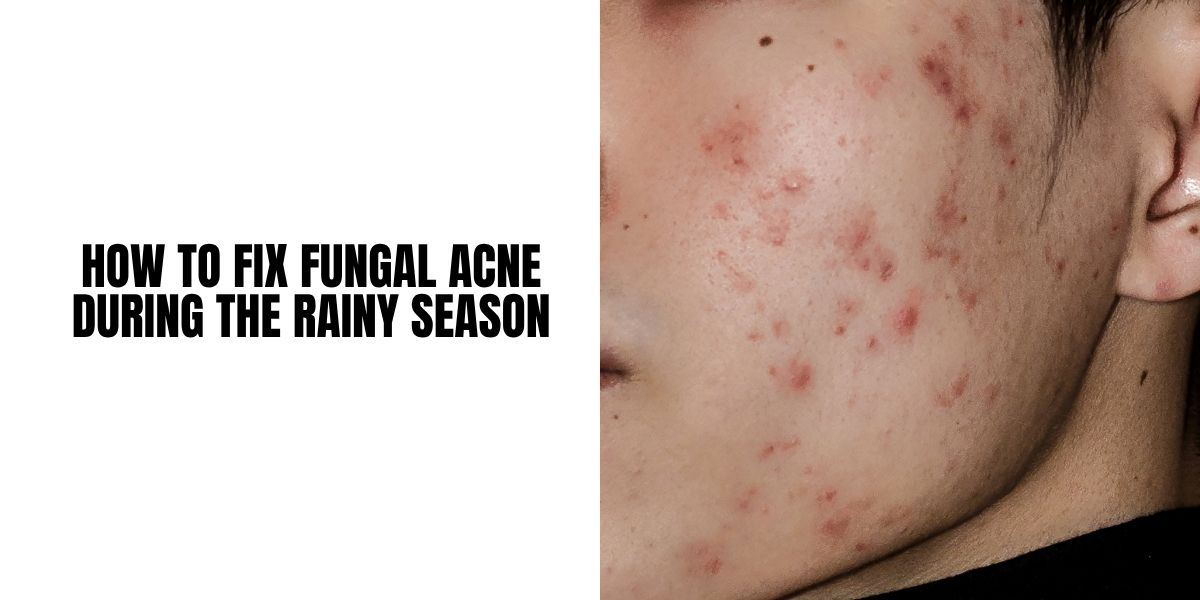
If you've been treating what looks like acne with all your usual products and it just isn't budging, or it's actually gotten a bit worse, there's a decent chance you're dealing with fungal acne rather than regular acne. This mix-up happens a lot, and before reaching for anything new in our skincare collection, it helps to understand what's actually going on, especially during monsoon when the warm, damp air is exactly the kind of environment fungal acne thrives in.
What Fungal Acne Actually Is
Fungal acne, more accurately called Malassezia folliculitis, isn't caused by bacteria the way typical acne is. It's caused by an overgrowth of a yeast that naturally lives on everyone's skin but can multiply excessively under certain conditions, leading to inflamed, itchy bumps that look similar to acne but behave differently.
This yeast thrives in warm, humid, sweaty environments, which makes monsoon practically the perfect season for it to flare up. Areas that trap moisture and sweat, like the forehead, chest, back and hairline, are the most common spots where it shows up.
How to Tell the Difference From Regular Acne
Fungal acne and regular acne can look confusingly similar at first glance, but there are a few differences worth paying attention to.
- Fungal acne bumps tend to be small and uniform in size, while regular acne varies more in size and shape
- Fungal acne is often itchy, while regular acne is more commonly tender or painful rather than itchy
- Fungal acne tends to appear in clusters across areas like the chest, back or hairline, not just the face
- Fungal acne usually doesn't respond to typical acne treatments like benzoyl peroxide or salicylic acid, and can sometimes worsen with them
- Fungal acne often flares up after sweating, wearing tight or damp clothing, or during particularly humid weather
Why Monsoon Makes It Worse
The combination of humidity, sweat and sometimes damp clothing from getting caught in the rain creates an ideal breeding ground for this yeast overgrowth. Wearing sweaty workout clothes for too long, not showering promptly after getting rained on, or using heavy, oily skincare products that feed yeast growth can all contribute to flare ups during this season specifically.
What Actually Helps Clear It
Since fungal acne responds to anti-fungal treatment rather than typical anti-bacterial acne treatment, the approach needs to be a bit different.
- Anti-fungal ingredients like ketoconazole, found in some medicated shampoos, can be used as a short-contact face or body wash under guidance
- Zinc pyrithione, another anti-fungal ingredient, is sometimes included in body washes for this purpose
- Avoiding heavy oils and rich moisturisers, especially ones containing certain fatty acids that yeast feeds on, until the flare up settles
- Switching to lightweight, oil-free, non-comedogenic products during an active flare up
- Keeping skin dry after sweating or getting caught in the rain, and changing out of damp clothing promptly
What to Avoid While Treating It
A common mistake is continuing to use regular acne treatments, assuming they just need more time to work. This can sometimes make fungal acne worse rather than better, since these products don't target yeast overgrowth at all. It's also worth avoiding thick, occlusive products during an active flare up, since these can trap moisture against the skin and worsen the condition.
Prevention Tips for the Rest of Monsoon
Once a flare up has cleared, a few habits help reduce the chances of it coming back during the rest of the rainy season.
- Shower and change clothes promptly after sweating or getting rained on
- Wear breathable, moisture-wicking fabrics where possible, especially during workouts
- Keep skincare lightweight and avoid excessive layering of rich products in affected areas
- Wash pillowcases and towels more frequently, since yeast can linger on fabric
When to See a Dermatologist
If the bumps persist despite basic care, spread significantly, or you're unsure whether it's fungal or regular acne, seeing a dermatologist is the most reliable way to get an accurate diagnosis and appropriate treatment, since fungal acne often needs prescription-strength anti-fungal treatment to clear completely.
Final Thoughts
Fungal acne is a common but often misunderstood issue during monsoon, and recognising it correctly makes a big difference in how quickly it clears. When in doubt, a dermatologist visit saves a lot of frustration compared to guessing with over-the-counter products. For more background, see this overview of folliculitis on Wikipedia.
Disclaimer
This article is for general informational purposes only and does not replace professional dermatological advice or diagnosis. Fungal acne can resemble other skin conditions, and self-treatment without proper diagnosis may delay effective treatment. Please consult a dermatologist for persistent, spreading or unclear skin concerns.