
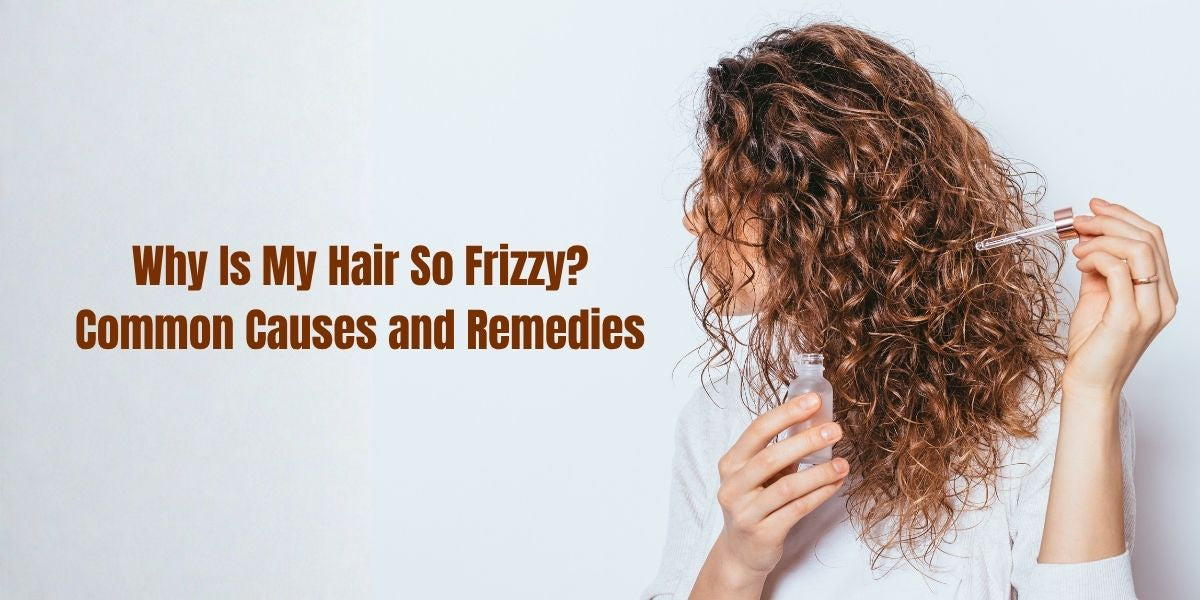
Few hair problems are as annoying as hair. You spend time washing, conditioning and styling your hair only to have it become puffy, dry or unruly within a hours. Whether its a day a change in weather or simply your natural hair type frizzy hair can seem impossible to control.
The good news is that frizzy hair isn’t random. It usually happens for a reason and understanding the cause can help you choose the solution.
Lets explore why hair becomes frizzy and what you can do to make it smoother and more manageable.
What Is Frizzy Hair?
Frizzy hair happens when individual hair strands don’t lie flat and instead stick out from the rest of the hair. This often makes hair appear puffy, dry, rough, unruly or less defined. Frizzy hair can affect all hair types although it is often more noticeable in curly and dry hair.
Common Causes of Frizzy Hair
Lack of Moisture
One of the common causes of frizzy hair is dryness. When hair lacks moisture the outer layer of the hair becomes raised rather than smooth. This rough surface creates the appearance of hair. Dry hair may result from washing, environmental exposure, heat styling or chemical treatments.
Humidity
Have you ever noticed your hair becoming frizzy on humid days? Hair naturally absorbs moisture from the air. When humidity levels rise hair strands can swell inconsistently leading to the cuticle raising and forming hair. People with curly or porous hair are often more affected by humidity.
Heat Damage
Regularly using hair dryers, straighteners, or curling irons may gradually damage the hair cuticle. Damaged cuticles struggle to retain moisture making hair more prone to hair and dryness.
Overwashing
Washing your hair often may remove some of the natural oils that help keep it smooth and protected. Without natural oil hair can become dry, brittle or frizzy. Finding the washing frequency for your hair type can help maintain a healthier moisture balance.
Chemical Treatments
Hair coloring, bleaching, relaxing and other chemical processes can affect the hairs structure. These treatments may leave hair porous, drier or more vulnerable to frizzy hair. Extra care and conditioning are often needed after chemical services.
Using the Wrong Hair Products
Some products contain ingredients that may not suit your hair type. Harsh or drying products can lead to moisture depletion, coarse texture, or more frizzy hair. Choosing products appropriate for your hairs needs can make a difference.
Rough Towel Drying
Rubbing wet hair with a towel can disturb the hair cuticle and create friction. This often leads to hair, breakage or tangles. A gentler approach is usually better.
Hair Type and Genetics
frizzy hair is simply part of your natural hair texture. Curly and wavy hair types often experience frizzy hair due to the natural oils generated by the scalp struggling to move down the hair shaft. While you can’t change your genetics you can manage hair more effectively with proper care.
How to Reduce Frizzy Hair
Use a Moisturizing Conditioner
Conditioner aids in restoring moisture and smoothing the hair's cuticle. Concentrate on using it on the mid-lengths and tips of your hair. These areas are typically the parts of the hair.
Deep Condition Weekly
Using a hair mask every week can really help my hair. A weekly hair mask can give my hair the hydration and nourishment it needs. Deep Condition Weekly treatments can make my hair feel softer they can reduce the dryness make my hair more manageable or they can even smooth out the surface of my hair. Doing this every week is important.
Apply Hair Serum
Hair serum can help coat the layer of the hair and reduce the appearance of frizzy hair. Benefits include hair, added shine, better humidity resistance or improved manageability. Apply an amount to the lengths and ends of your hair.
Limit Heat Styling
Reducing heat exposure can help protect the hair cuticle. If you use heat tools lower the temperature use heat protection or avoid repeated passes. Healthier hair generally experiences frizzy hair.
Dry Hair Gently
After rubbing your hair with a towel, gently squeeze out excess water, pat the hair dry, or use a microfiber towel if available. Less friction often means frizzy hair.
Use Lukewarm Water
hot water can contribute to dryness by removing protective oils from the hair. Lukewarm water is typically gentler on both the scalp and hair.
Protect Hair While Sleeping
Cotton pillowcases can create friction that contributes to hair. Many people find that silk or satin pillowcases help reduce friction, tangles or morning frizzy hair.
Stay. Eat Well
Hair health is influenced by overall nutrition. A balanced diet rich in protein, iron, zinc healthy fats or vitamins supports hair growth and overall hair condition.
Common Mistakes That Make Frizz
Using Too Much Heat
Excessive heat styling can gradually damage the hair cuticle.
Skipping Conditioner
Conditioner helps smooth and hydrate the hair.
Applying Too Much Product
Heavy product buildup can make hair difficult to manage.
Brushing Dry Curly Hair
This can disrupt curl patterns. Increase frizzy hair.
Neglecting Hair Trims
Split ends can make hair appear rougher and frizzy.
Can Frizz Ever Be Completely Eliminated?
Not always. Some degree of hair is natural especially for people with textured or curly hair. The goal is often not complete elimination but improving moisture, manageability and overall hair health. Healthy hair typically experiences frizzy hair and is easier to style.
When Should You Seek Advice?
Consider consulting a hair care professional or dermatologist if hair becomes extremely dry breakage increases significantly scalp issues develop or hair texture changes suddenly. These situations may require a personalized approach.
Final Thoughts
Frizzy hair is often a sign that your hair needs moisture, protection or gentle care. Factors such as humidity, heat styling, overwashing, chemical treatments or natural hair texture can all contribute to hair. The good news is that many cases of hair can be improved by focusing on hydration, regular conditioning minimizing damage or adopting healthier hair care habits. Small changes, such as using a hair serum reducing heat exposure or deep conditioning regularly can make a difference over time.
Disclaimer
This article is for information and you should not think of it as advice from a hair care expert or a doctor. Every person has hair and different problems with their hair. So the results of anything you try may be different for you than they are for someone. If you want to know what is best, for your hair you should talk to a hair care expert or a dermatologist.
Asked Questions
1. What makes hair frizzy?
Hair gets frizzy when it is too dry when it is humid outside when you use heat on it when you wash it much when you use chemicals on it or when that is just the way your hair is naturally.
2. Can conditioner help reduce frizz?
Yes conditioner helps hydrate and smooth the hair cuticle, which may reduce the appearance of hair.
3. Why does humidity make my hair frizzy?
Hair absorbs moisture from the air causing strands to swell and the cuticle to lift, which can create hair.
4. Is frizz a sign of hair?
Not always. While damage can contribute to hair natural hair texture and environmental factors can also play a role.
5. Can hair serum help control frizz?
Yes hair serum can smooth the hair surface improve shine and help reduce flyaways and frizzy hair.