
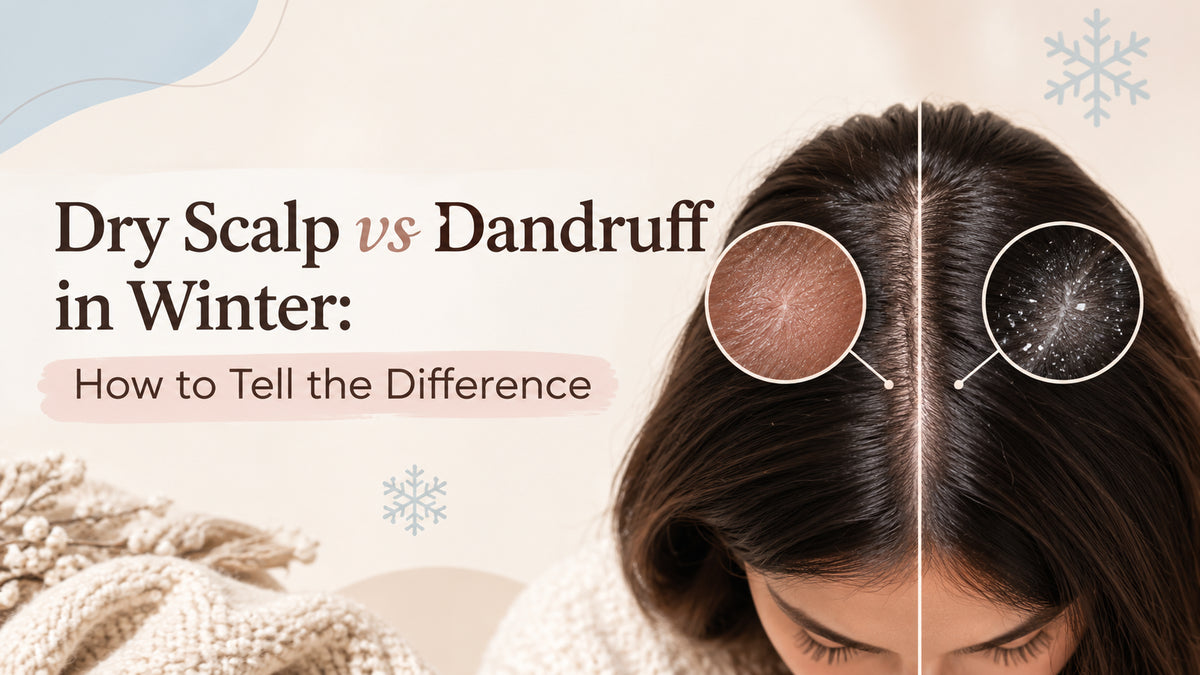
White flakes on your shoulders are annoying at any time of year, but they seem to show up more when the weather turns cold. Many people assume flakes always mean dandruff and reach for the nearest anti-dandruff shampoo. The truth is a little more interesting. Flakes can come from a dry scalp or from dandruff, and the two have different causes and different solutions. In this guide, I will help you tell them apart, explain what is happening in your scalp and suggest options such as the Wella Professionals INVIGO Clean Scalp Anti-Dandruff Shampoo and the Biolage Scalp Sync Anti-Dandruff Shampoo.
What Is a Dry Scalp?
A dry scalp happens when the skin on your head does not have enough moisture. Cold, dry air, hot showers, harsh shampoos and indoor heating can all strip the scalp of its natural oil. The skin then becomes tight and can shed small, light, dry flakes.
The flakes from a dry scalp are usually small, white and powdery. They fall easily when you scratch or brush. The scalp may feel tight or itchy, and often the skin on your arms, legs or face feels dry too. Your hair itself may not look greasy at all.
What Is Dandruff?
Dandruff is a common scalp condition that causes flaking, and it is often linked to an oily scalp rather than a dry one. It is associated with a yeast that lives naturally on the skin and with the scalp's reaction to it, and it is closely related to a skin condition described on Wikipedia as seborrhoeic dermatitis. It is not caused by poor hygiene, although infrequent washing can make flakes more visible.
Dandruff flakes are usually larger, yellowish or whitish and may look slightly oily or stick to the scalp and hair. The scalp may be itchy and sometimes a bit red. The hair near the roots often looks greasy.
Quick Comparison
Here is a simple way to compare them. Dry scalp flakes are small and dry, the scalp feels tight, the hair is not oily, and symptoms are worse in cold, dry weather. Dandruff flakes are larger and can look oily, the scalp is itchy and often oily, the roots look greasy, and symptoms can show up in any season, though many people see a flare in winter.
A basic test is to look at your hair a day after washing. If it looks oily and the flakes are bigger, dandruff is more likely. If your hair looks normal or dry and the flakes are fine and powdery, dry scalp is more likely.
Why Winter Makes Both Worse
Cold weather lowers humidity outside, and indoor heating dries the air further. This pulls moisture out of the skin. People also tend to take hotter showers in winter, which strips oil, and wear caps and scarves that trap sweat and rub the scalp. For people who are prone to dandruff, changes in weather and less sunlight can trigger a flare.
What to Do for a Dry Scalp
The goal is to restore moisture and stop stripping the scalp. Wash with lukewarm water instead of hot. Use a gentle, moisturising shampoo and avoid washing daily if your scalp is dry. Apply conditioner only on the lengths. Limit styling products and heat. Massage the scalp gently to help circulation, but avoid scratching. Add moisture from within by drinking enough water and eating balanced meals.
You can also use a mild scalp-care product occasionally, and our winter hair care guide has more ideas for dryness.
What to Do for Dandruff
Dandruff is usually managed with a shampoo that contains active ingredients to control flaking. According to the store details, the Wella INVIGO Clean Scalp shampoo contains Piroctone Olamine and Zinc, ingredients used in anti-dandruff care. The Biolage Scalp Sync Anti-Dandruff Shampoo is another option made for flaky, itchy scalps.
To use an anti-dandruff shampoo well, wet the hair, apply to the scalp and massage gently for a minute or two. Leave it on for the time recommended on the pack, then rinse thoroughly. Use it as directed, which is often two to three times a week at first. Follow with conditioner on the lengths, since some anti-dandruff formulas can leave the hair feeling a bit dry. Keep using it for several weeks, as results are gradual.
Can You Have Both?
Yes. Some people have a dry scalp and dandruff at the same time, or they swap between the two depending on the season. If you have mixed symptoms, start by switching to a gentler routine and using an anti-dandruff shampoo only when oily flakes appear. Watch how your scalp reacts over two to four weeks.
Habits That Help Either Way
Do not scratch the scalp with nails, since this can cause small wounds and make flaking worse. Rinse out all shampoo and conditioner, because residue can irritate the scalp. Wash hats, scarves and pillowcases regularly. Manage stress and sleep, since both can influence scalp conditions. Avoid very hot water and harsh scrubs while the scalp is irritated.
When to See a Doctor
Visit a dermatologist if the flakes do not improve after a few weeks of proper care, if your scalp is very red, painful or has thick scales, if you notice patches of hair loss, sores or oozing, or if the itching disturbs your sleep. Some conditions, such as psoriasis, eczema or fungal infections, can look similar to dandruff but need different treatment. Stop using any product that causes burning or worsening irritation.
Frequently Asked Questions
Is dandruff contagious? No, dandruff is not contagious.
Does oil on the scalp cure dryness? Heavy oil can sometimes worsen dandruff, so use it carefully and only if it suits your scalp.
Can I use anti-dandruff shampoo every day? Follow the directions on the label. Many are used a few times a week.
Will dandruff go away forever? It often comes and goes. Regular care keeps it under control for most people.
Final Thoughts
Flakes are common and manageable once you know which kind you have. If your scalp is tight with small dry flakes, focus on moisture and gentle washing. If the flakes are larger with an oily scalp, an anti-dandruff shampoo like the Wella INVIGO Clean Scalp or the Biolage Scalp Sync Anti-Dandruff Shampoo may help. Stay consistent, be gentle, and see a professional if the problem does not improve.
Note: This article is for general information and is not medical advice.