
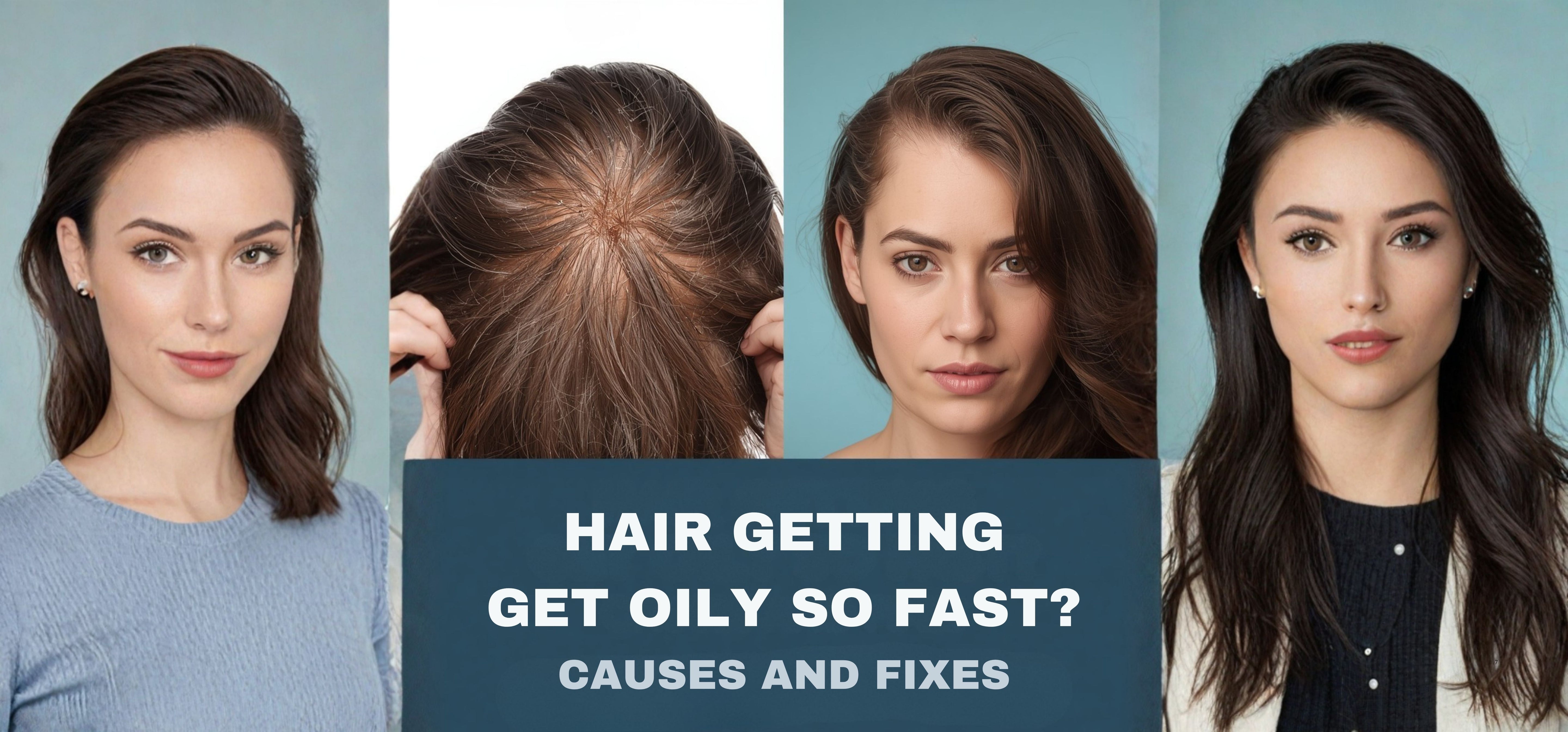
You wash your hair in the morning. By evening it already looks greasy. If this sounds familiar you’re not alone. Many people have hair, especially those with fine hair or oily scalps.
Hair oil isn’t bad. Our scalp makes oil to protect itself and keep hair healthy. The problem is when the scalp makes much oil or it spreads through the hair too quickly.
Lets look at why hair gets fast and what you can do to keep it looking fresh.
Why Does the Scalp Produce Oil?
Our scalp has glands that make a natural oil called sebum.
Sebum helps:
- Protect the scalp
- Keep hair from getting dry
- Keep hair flexible
- Keep the skin on our scalp
Without sebum hair would be dry and break easily.
Common Causes of Oily Hair
Naturally Oily Scalp
Some people naturally have scalps. This can be because of their parents. If your parents have skin or hair you might too.
Washing Hair Frequently
Washing hair too much can make it oily. When you wash hair much you remove the scalps natural oil. The scalp might make more oil to replace it.
Fine Hair
People with fine hair notice oiliness quickly. This is because fine hair can’t hold oil.
Hormonal Changes
Hormones affect oil production. Changes during puberty, periods, pregnancy or menopause can make hair oily.
Touching Your Hair Frequently
When you touch your hair you transfer oil from your hands to your hair. This can make hair look greasy.
Product Buildup
Using many styling products can make hair oily. This includes serums, oils and waxes.
Not Washing Enough
If you don’t rinse shampoo properly it can leave residue on your scalp. This can make hair look greasy.
Exercise and Sweat
Sweat can mix with oil. Make hair look greasy.
Environmental Factors
Hot and humid weather can make hair look oily.
Signs You Have an Oily Scalp
If your hair looks greasy within a day of washing you might have a scalp.
How to Fix Oily Hair
Choose the Right Shampoo
Use a shampoo that cleanses your scalp without being too harsh.
Wash Hair Properly
When washing hair focus on the scalp. Massage gently with your fingertips and rinse
Avoid Overusing Conditioner
Apply conditioner to the ends of your hair not the scalp.
Reduce Hair Touching
Try not to touch your hair much. This can transfer oil to your hair.
Clean Hair Brushes Regularly
Clean your hair brushes often to prevent oil and dirt from building up.
Use Dry Shampoo Wisely
Dry shampoo can help absorb oil but don’t use it too much.
Consider Your Hairstyle
Some hairstyles can hide roots. Try a bun or a ponytail.
Foods and Oily Hair
Eating a diet with fruits, vegetables and protein can help keep your scalp healthy.
When Oily Hair May Signal a Problem
If you notice changes in oil production, severe itching or redness see a doctor.
Common Myths About Oily Hair
Myth: Oily Hair Means Dirty Hair
Not true. Oily hair can be clean. Still produce a lot of oil.
Myth: Daily Washing Always Causes Oily Hair
Not always. Some people need to wash their hair
Myth: Oil Production Can Be Completely Stopped
No oil production is natural. The goal is to find a balance.
How Long Does It Take to Balance an Oily Scalp?
It can take weeks to adjust to a new hair care routine.
Final Thoughts
Hair gets oily because our scalp makes oil. Many factors can contribute to hair… With the right approach you can keep your hair looking fresh.
Disclaimer
This article is, for purposes only and should not be considered medical advice.
Asked Questions (FAQs)
1. Why does my hair get oily one day after washing?
It can be because of genetics, fine hair, hormonal changes or an oily scalp.
2. Is it bad to wash hair every day?
Not necessarily. Some people benefit from washing while others don’t.
3. Does touching my hair make it oilier?
Yes touching your hair can transfer oil to your hair.
4. Can dry shampoo reduce hair?
Dry shampoo can help,. Don’t use it too much.
5. Will oily hair eventually balance itself?
Maybe. Adjusting your hair care routine can help,. Genetics and hormones play a role too.